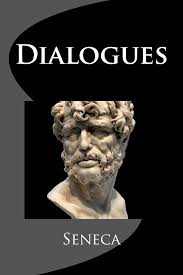
Dialogues
Stoic reflections on anger, grief, happiness, and the good life
By Seneca
You will sign in with your email first.
About this edition
Source text: Seneca, Dialogues, a collection of Latin Stoic philosophical treatises. The supplied Standard Ebooks EPUB lists Wikisource transcriptions and Archive.org scans as sources, including The Minor Dialogues of Seneca and an Aubrey Stewart edition. An independently verified Latin critical edition has not been identified.
Translation source: seneca_dialogues_aubrey-stewart.epub. English translation by Aubrey Stewart; annotator J. E. M. Mayor. Standard Ebooks, published 2016-08-03; modified 2026-08-04. Source: https://standardebooks.org/ebooks/seneca/dialogues/aubrey-stewart .
Rights: The supplied EPUB states that its source text and artwork are believed public domain in the United States, and that Standard Ebooks contributions are dedicated under CC0 1.0. It cautions that copyright status may differ outside the US. This records the EPUB rights statement; independent territorial editorial review is not yet complete.
Territories: US (intended market; independent review pending)
Review scope: Not reviewed
Approved on: Oct 22, 2026
Seneca’s moral essays on anger, consolation, providence, tranquility, happiness, and human responsibility. English translation by Aubrey Stewart.
In Dialogues, the Roman Stoic Seneca investigates anger, loss, adversity, wealth, power, and our responsibilities to others. Despite the traditional title, most works are philosophical essays rather than dramatic conversations. The collection includes consolations addressed to Marcia, Helvia, and Polybius, and reflections on providence, the wise person, anger, leisure, tranquility, clemency, a happy life, and benefits. Seneca asks how judgments shape suffering and how virtue can guide action. This edition follows Aubrey Stewart’s English translation in Standard Ebooks.
Who it is for
Readers of Marcus Aurelius and Epictetus; those exploring Stoic ethics, anger, grief, resilience, generosity, and philosophy as practice.
Key ideas
- 01
Anger and judgment
Examine how interpretations and choices fuel anger.
- 02
Consolation and grief
Face loss without denying human affection.
- 03
Providence and adversity
Ask what hardship means for a person pursuing virtue.
- 04
Tranquility and happiness
Seek steadiness through reason and good conduct.
- 05
Clemency and benefits
Reflect on power, mercy, generosity, and duty.
Questions and answers
What is Seneca’s Dialogues?
A collection of philosophical treatises, rather than one dramatic conversation.
Which English translation is used?
Aubrey Stewart’s translation, in the Standard Ebooks digital edition.
Does it discuss anger and grief?
Yes, alongside consolation, tranquility, happiness, and other ethical subjects.
Where should I begin?
Choose a treatise on a theme that matters to you and then read related essays.
Ideas and articles about this book
Idea
How can we face adversity?Seneca examines hardship through providence, grief, and the instability of fortune. His dialogues urge us to distinguish events from judgments, practice courage, and offer humane consolation without denying pain.
Idea
How much wealth is enough?Seneca questions whether wealth and luxury can produce a happy life. The measure is not a fixed amount but whether possessions serve sound judgment and virtue, rather than turning into masters of our choices.
Idea
Is anger ever useful?Seneca treats anger as a dangerous judgment, not a dependable source of courage. His dialogue On Anger argues for pausing, examining impressions, and responding with reason before resentment takes control.
Idea
What makes a happy life?In On a Happy Life, Seneca distinguishes lasting happiness from pleasure, status, and fortune. He connects a good life to sound judgment, virtue, and the way we use what circumstances give us.
Idea
Why do we fear death?In the consolations collected in Dialogues, Seneca treats mortality and grief as unavoidable parts of human life. He encourages remembering our limits while caring for the living, rather than pretending that loss is easy.
Reader reviews
No reviews yet.